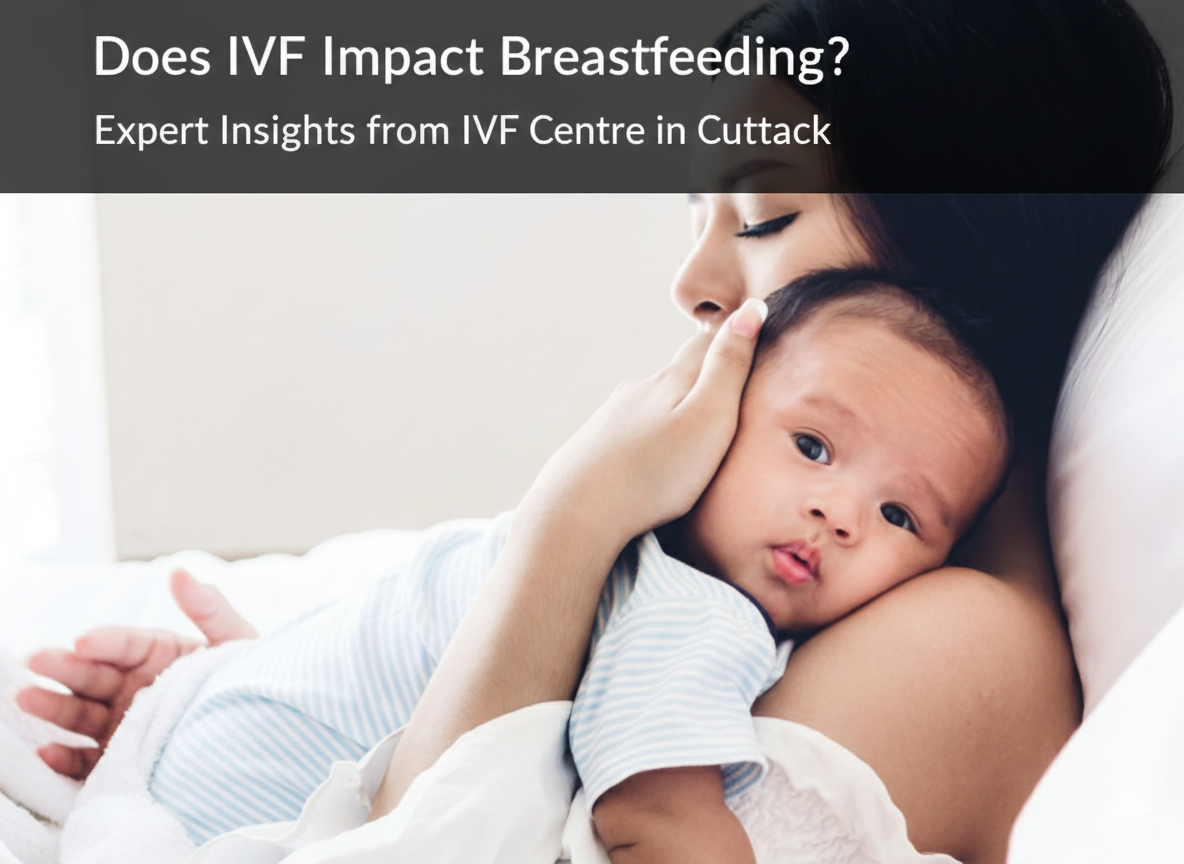
The experience of motherhood is even more precious for couples who have conceived through assisted reproductive technology. Many women who have undergone fertility treatments have often wondered: Does IVF affect breastfeeding? The answer is that in most instances, IVF does not affect a mother’s ability to breastfeed her child negatively.
If you are planning to conceive or have already given birth through IVF Treatment in Cuttack, it is important to know how IVF affects breastfeeding.
Understanding IVF and Hormonal Changes
IVF procedures include hormonal stimulation, egg harvesting, fertilization, and embryo transfer. The hormonal drugs are intended to promote ovulation and support the implantation of the embryo.
But after the pregnancy has been achieved and the baby is born, the body has a natural mechanism to control the production of milk through the following hormones:
- Prolactin – It triggers the production of milk
- Oxytocin – It assists in the secretion of milk
The hormones work in a normal manner irrespective of whether the conception is natural or through IVF.
The women who have undergone IVF treatment at a reliable IVF Centre in Cuttack have been able to breastfeed their babies without any issues.
Does IVF Lower Milk Production?
There is no scientific basis for the claim that IVF lowers milk production. Milk production is affected by the following factors:
- Appropriate latch and frequency of feeding
- Hormonal regulation after childbirth
- General health of the mother
- Stress levels and diet
However, conditions associated with infertility, such as PCOS or thyroid problems, could have an indirect effect on milk production. These are medical conditions, not IVF.
Seeking the Services of a Female Infertility Specialist in Cuttack can help control these conditions before and after conception.
IVF Medications and Breastfeeding Safety
Most fertility medications are stopped before or during pregnancy. By the time the baby is born, the medication is no longer in the body.
If hormone support is still needed during pregnancy, the health of the mother is carefully monitored by the doctors at an Advanced Fertility Centre Cuttack to ensure that the mother and baby are safe.
Breastfeeding After Infertility Treatment
Mothers undergoing Infertility Treatment in Cuttack feel immense emotional satisfaction while breastfeeding their child. Emotional preparedness is a major factor in successful breastfeeding.
The following are important points to consider:
- Begin breastfeeding within the first hour of delivery
- Practice skin-to-skin contact
- Drink plenty of water and eat healthy food
- Consult a lactation expert if required
Most patients treated at the Best Fertility Clinic Cuttack have reported a healthy experience with breastfeeding.
Special Considerations for IVF Mothers
Some issues may require special consideration:
1. Multiple Pregnancies
IVF may raise the possibility of having twins. Breastfeeding twins is possible but may require some planning.
2. Preterm Birth
If the baby is premature, milk pumping assistance may be required.
3. Underlying Medical Conditions
Women who underwent Male Infertility Treatment for their partners will generally face no breastfeeding issues, as the treatment does not impact the mother’s hormones.
Emotional Wellbeing and Lactation
Stress can affect the production of milk. Women who have had fertility issues tend to have emotional stress associated with the recovery process after childbirth.
Fertility Counselling in Cuttack can assist with emotional wellbeing and boost the confidence of mothers.
Selecting the Right Fertility Support
The right fertility centre is important for long-term maternal and child health.
Patients seek:
- Best IVF Doctor in Cuttack
- Top fertility doctors in Cuttack for IVF and IUI
- Best fertility clinic in Cuttack
- Best IVF center near me
- Best fertility preservation center
- best IVF centre in Odisha
Selecting a fertility centre that provides overall prenatal and postnatal support will make the process easier.
Does IVF Impact the Success Rate of Breastfeeding?
Research indicates that the success rate of breastfeeding is the same for women who give birth naturally and those who use assisted reproductive technology.
The actual factors that matter are:
- Early breastfeeding support
- Maternal confidence
- Hospital breastfeeding policies
- Support system
A well-known fertility hospital providing comprehensive care makes a huge difference in the mother’s experience.
Final Verdict: Can IVF Mothers Breastfeed Normally?
Yes. IVF does not prevent or reduce breastfeeding ability in healthy women.
With proper medical care, emotional support, and professional guidance, mothers can enjoy a fulfilling breastfeeding journey.
If you are planning fertility treatment or have concerns about postpartum health, consult an experienced reproductive specialist for personalized advice.
Motherhood after IVF is just as natural, nurturing, and beautiful.
Frequently Asked Questions (FAQs)
1. Does IVF affect breastfeeding ability?
No, IVF does not directly affect breastfeeding. Once pregnancy is established and the baby is born, milk production depends on natural hormones like prolactin and oxytocin. Most mothers who conceive through IVF breastfeed successfully.
2. Can I breastfeed normally after IVF delivery?
Yes, mothers who undergo IVF treatment can breastfeed just like women who conceive naturally. Proper lactation support and early breastfeeding initiation improve success rates.
3. Are IVF medications harmful during breastfeeding?
IVF medications are typically stopped early in pregnancy. By the time of delivery, they are no longer active in the body. Always consult your fertility specialist if you have concerns.
4. Does infertility treatment reduce milk supply?
Infertility treatment itself does not reduce milk supply. However, underlying health conditions like PCOS, thyroid disorders, or hormonal imbalances may influence lactation.
5. Where can I find the best IVF centre in Odisha?
You should choose a fertility centre that offers advanced reproductive technology, experienced fertility doctors, counseling support, and complete maternity guidance.
6. How do I choose the best fertility clinic in Cuttack?
Look for clinics with:
-
Experienced fertility specialists
-
Modern IVF laboratory facilities
-
Transparent treatment protocols
-
High success rates
-
Positive patient reviews
7. Is IVF treatment safe for first-time mothers?
Yes, IVF treatment is medically safe when performed under expert supervision. Regular monitoring and proper hormonal management ensure both maternal and fetal safety.
8. Can women with PCOS breastfeed after IVF?
Yes, women with PCOS can breastfeed. They may need additional lactation support if milk supply is delayed, but successful breastfeeding is possible.
9. Does male infertility treatment affect breastfeeding?
No, male infertility treatment does not impact a mother’s ability to breastfeed. Lactation depends entirely on maternal hormonal health after childbirth.
10. Should I take fertility counselling before IVF?
Yes, fertility counselling helps reduce stress, improves emotional well-being, and prepares couples mentally for pregnancy and parenthood.
11. Is IVF successful for older women?
IVF success rates depend on age, ovarian reserve, and overall health. Advanced fertility centres offer personalized treatment plans to improve success chances.
12. How soon can breastfeeding start after IVF delivery?
Breastfeeding can begin within the first hour after birth if both mother and baby are stable. Early initiation improves milk production and bonding.
If you have questions about IVF, breastfeeding, or fertility care, don’t wait. Our experienced fertility specialists are here to guide you with compassion and advanced medical expertise.
📞 Book Your Consultation Today
👩⚕️ Meet Expert Fertility Doctors
🏥 Advanced Reproductive Care in Cuttack
👉 Schedule your appointment now and start your journey toward healthy motherhood.