How Long Does It Take for Sperm to Reach the Egg?
Understanding the journey of sperm inside the female reproductive system is essential for couples trying to conceive. Many people assume fertilization happens instantly, but in reality, it’s a fascinating biological process that takes time, precision, and the right conditions. In this blog, we’ll explain how long it takes for sperm to reach the egg, what factors influence this journey, and when medical support may be helpful.
The Journey of Sperm After Intercourse
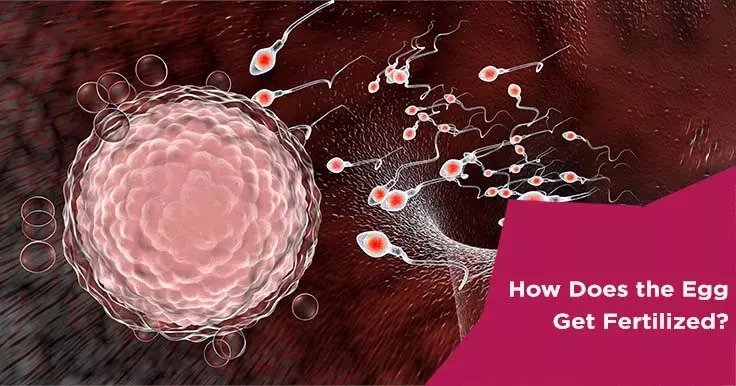
Once ejaculation occurs, millions of sperm are released into the vagina. From there, sperm begin their journey through the cervix, uterus, and finally into the fallopian tubes—where fertilization usually happens.
⏱ Time required:
Sperm can reach the fallopian tubes in as little as 30 minutes to 1 hour after intercourse. However, fertilization doesn’t always happen immediately.
How Long Do Sperm Survive Inside the Female Body?
Sperm are surprisingly resilient under the right conditions:
-
Inside fertile cervical mucus, sperm can survive up to 5 days
-
This is why pregnancy can occur even if intercourse happens a few days before ovulation
This window of survival plays a major role in natural conception and fertility planning.
When Does Fertilization Actually Happen?
Fertilization occurs when a sperm successfully penetrates a mature egg released during ovulation.
-
The egg survives for 12–24 hours
-
If sperm are already present in the fallopian tube, fertilization can occur quickly
-
If ovulation happens later, sperm may wait until the egg is released
This precise timing explains why tracking ovulation is so important for couples trying to conceive.
Factors That Affect How Quickly Sperm Reach the Egg
Several biological and lifestyle factors can influence sperm movement and success:
🔹 Sperm Health
Low sperm count, poor motility, or abnormal shape can slow or prevent fertilization.
🔹 Cervical Mucus
Healthy, stretchy cervical mucus helps sperm swim efficiently toward the egg.
🔹 Ovulation Timing
Intercourse close to ovulation increases the chances of sperm meeting the egg.
🔹 Reproductive Health
Conditions affecting the uterus, cervix, or fallopian tubes can obstruct the sperm’s path.
When Should You Consider Fertility Evaluation?
If pregnancy doesn’t occur after 12 months of regular, unprotected intercourse (or 6 months if the woman is over 35), professional evaluation is recommended. Medical guidance can help identify whether sperm transport, ovulation, or fertilization is being affected.
Couples often seek care from an IVF Centre in Cuttack, a Best Fertility Clinic Cuttack, or for IVF Treatment in Cuttack when conception is delayed despite efforts.
Support may also involve Male Infertility Treatment or consultation with a Female Infertility Specialist Cuttack, depending on the underlying cause.
Advanced Fertility Support and Guidance
Modern reproductive medicine offers multiple solutions, from ovulation tracking and IUI to IVF and fertility preservation. Many couples benefit from personalized care at the Best fertility clinic in Cuttack or the best IVF centre in Odisha, where experienced teams provide evidence-based treatment.
Facilities offering services like Advanced Fertility Centre Cuttack, guided by a Best IVF Doctor in Cuttack, also support long-term planning through a Best Fertility Preservation center.
Couples may also explore care from Top fertility doctors in Cuttack for IVF and IUI, especially if searching for a Best IVF center near me for timely intervention and success-focused treatment.
For those beginning their journey or seeking clarity, Infertility Treatment in Cuttack combined with Fertility Counselling in Cuttack can provide both medical insight and emotional reassurance.
Final Thoughts
Sperm can reach the egg within hours, but successful fertilization depends on timing, health, and reproductive conditions. Understanding this process empowers couples to make informed decisions and seek help when needed.
If conception is taking longer than expected, expert guidance and modern fertility care can make a meaningful difference—turning hope into possibility.